The kidneys and pregnancy affect each other in both directions. If you have had pre-eclampsia, your risk of kidney disease later in life is higher, and if you have kidney disease, pregnancy is more demanding. With good planning and close follow-up, most pregnancies go well. Here is what you should know, and what you can do.
During pregnancy the kidneys work harder than usual. The blood volume rises and the kidneys filter more blood. That is why the kidneys and pregnancy are closely linked: a pregnancy can reveal or strain diseased kidneys, and pre-eclampsia can leave traces in the kidneys and blood vessels long afterwards.
What is pre-eclampsia?
Pre-eclampsia is high blood pressure that starts after week 20 of pregnancy, together with protein in the urine or other signs that organs or the placenta are not working as they should. Three to five in a hundred pregnant women get it. It can cause headache, blurred vision, pain under the ribs and swelling, but many notice little. That is why blood pressure and urine are checked at antenatal appointments.
Does pre-eclampsia cause kidney disease later in life?
It raises the risk, but the vast majority never get kidney failure. A large Norwegian study linked the Medical Birth Registry of Norway with the Norwegian Renal Registry and found that women who had pre-eclampsia in their first pregnancy had almost five times the risk of developing severe kidney failure later. The risk was higher the more pregnancies with pre-eclampsia. Because severe kidney failure is rare, the absolute risk is still low.
Pre-eclampsia also raises the risk of high blood pressure and heart and blood vessel disease. High blood pressure is the most common cause of kidney failure in Norway, so this is where you can do the most.
What should you do after pre-eclampsia?
- Have your blood pressure measured by your GP. The Norwegian Society of Gynaecology and Obstetrics recommends that everyone who has had pre-eclampsia or pregnancy-induced high blood pressure has their blood pressure measured at least every five years, preferably more often. If you have other risk factors, you should be followed more closely.
- Have a urine test if there was protein in your urine after the birth. Women who still have protein in their urine after giving birth should be followed up to rule out kidney disease. Ask for the urine test uACR and the blood test eGFR, see How to detect kidney disease.
- Mention it in your next pregnancy. The risk of it happening again is higher, and you can get preventive treatment.
- Do what protects your blood vessels: less salt, no smoking, activity and a weight that is good for you. Read more in Salt and the kidneys and Blood pressure and the kidneys.
Can you get pregnant when you have kidney disease?
Yes, many can, and most pregnancies go well. But the pregnancy is more demanding, and the risk rises the lower the kidney function, the more protein in the urine and the higher the blood pressure. Pregnant women with kidney disease have a higher risk of pre-eclampsia, premature birth and low birth weight, and kidney function can get worse during pregnancy.
That is why the most important advice is to plan the pregnancy with your doctor, ideally your kidney doctor, before you become pregnant. Then your doctor can assess your kidney function, get your blood pressure well controlled and change medicines that are not safe in pregnancy.
Which medicines must be changed before pregnancy?
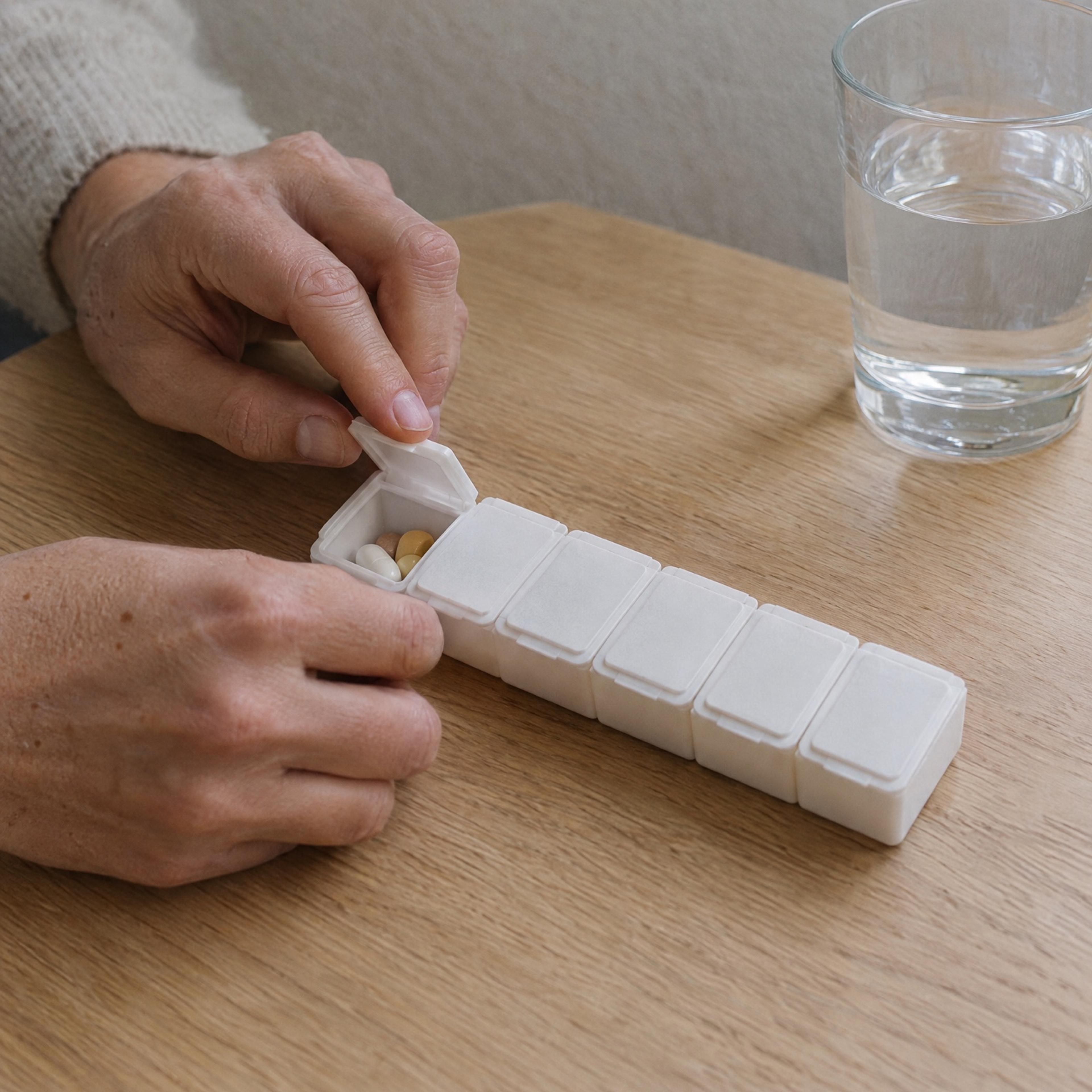
Some medicines that are common in kidney disease should not be used in pregnancy. Do not stop on your own: talk to your doctor before you try to get pregnant, and you will get a safe plan.
- ACE inhibitors and angiotensin II receptor blockers, common blood pressure medicines that also protect the kidneys, should not be used in pregnancy because of the risk of malformations and kidney damage in the baby. They are switched to other blood pressure medicines.
- Some immunosuppressants, especially mycophenolate, should not be used in pregnancy and must be changed well in advance.
- Other medicines may also need changing. Go through your whole medicine list with your doctor. See Medicines and kidney disease.
How is pregnancy followed up with kidney disease?
You are followed more closely than other pregnant women, often by both an obstetrician and a kidney doctor. Blood pressure, urine and kidney function are measured more often. Chronic kidney disease and a kidney transplant carry a high risk of pre-eclampsia, and the Norwegian Society of Gynaecology and Obstetrics then recommends low-dose aspirin from week 11 to 14 of pregnancy to reduce the risk. This must always be agreed with your doctor.
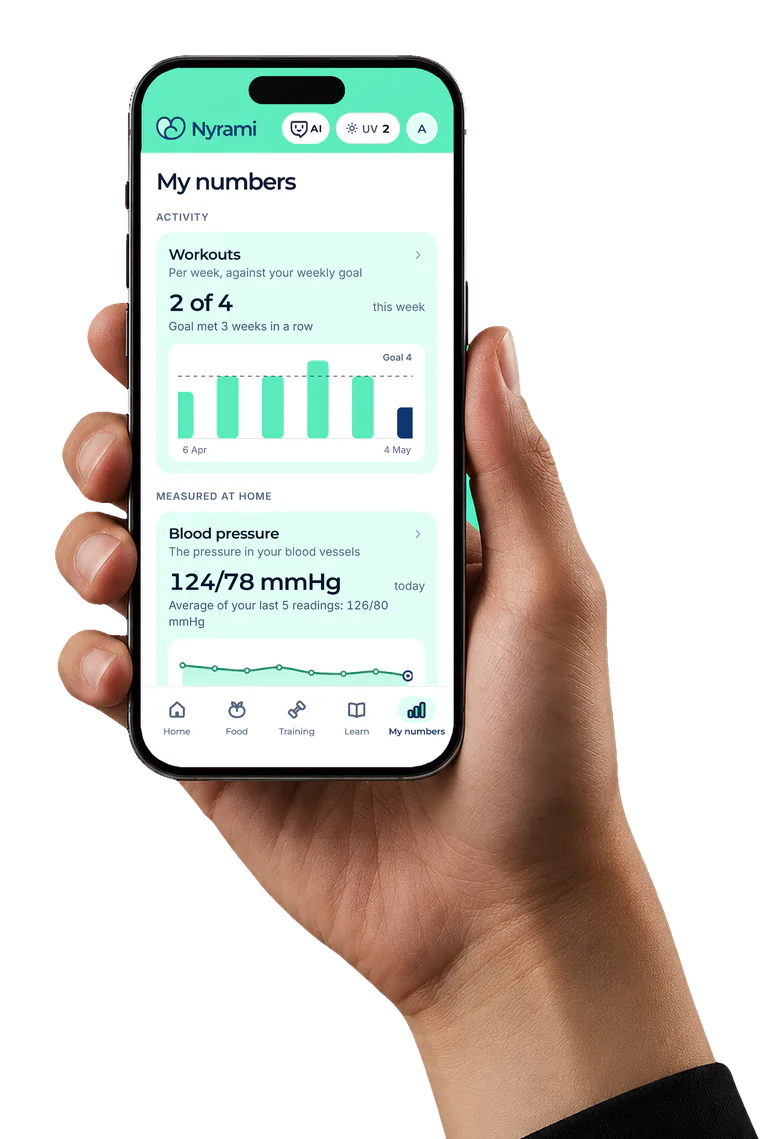
The blood pressure target is stricter than for other pregnant women. It helps to measure your blood pressure at home and bring the numbers to your appointments.
Can you get pregnant after a kidney transplant?
Yes. Fertility often improves after a successful transplant, and many have children. It is usually recommended to wait until kidney function has been stable for at least a year after the transplant, and immunosuppressants that are not safe in pregnancy must be changed beforehand.
The risk of pre-eclampsia is high. A study from Oslo University Hospital found that almost four in ten first-time mothers with a transplanted kidney got pre-eclampsia, compared with three to five in a hundred in the rest of the population. Almost all of them still had live babies. That is why you are followed especially closely. Read more in Kidney transplant.
Can you get pregnant on dialysis?
It is possible, but less common, because kidney failure lowers fertility. A pregnancy on dialysis is high risk and usually needs more dialysis than normal, often almost daily, and very close follow-up. If you want children and are on dialysis, talk to your kidney doctor about the options, including having a transplant first. See Life on dialysis.
Why is this women’s health?
Because it only affects women, and because it has long had too little attention. Pre-eclampsia is often seen as something that is over once the baby is born, but it can be an early warning of high blood pressure and diseased blood vessels. In the 2027 state budget the Norwegian government proposes to double the funding earmarked for research on women’s health. We think the kidneys belong in that research.
When should you contact a doctor?
If you are pregnant and get a severe headache, blurred vision, pain under the ribs on the right side, sudden swelling of the face or hands or feel unwell, contact the maternity unit or the out-of-hours service straight away on 116 117. If life is at risk, call 113. If you have had pre-eclampsia and have not had your blood pressure checked for several years, book an appointment with your GP.
How Nyrami can help
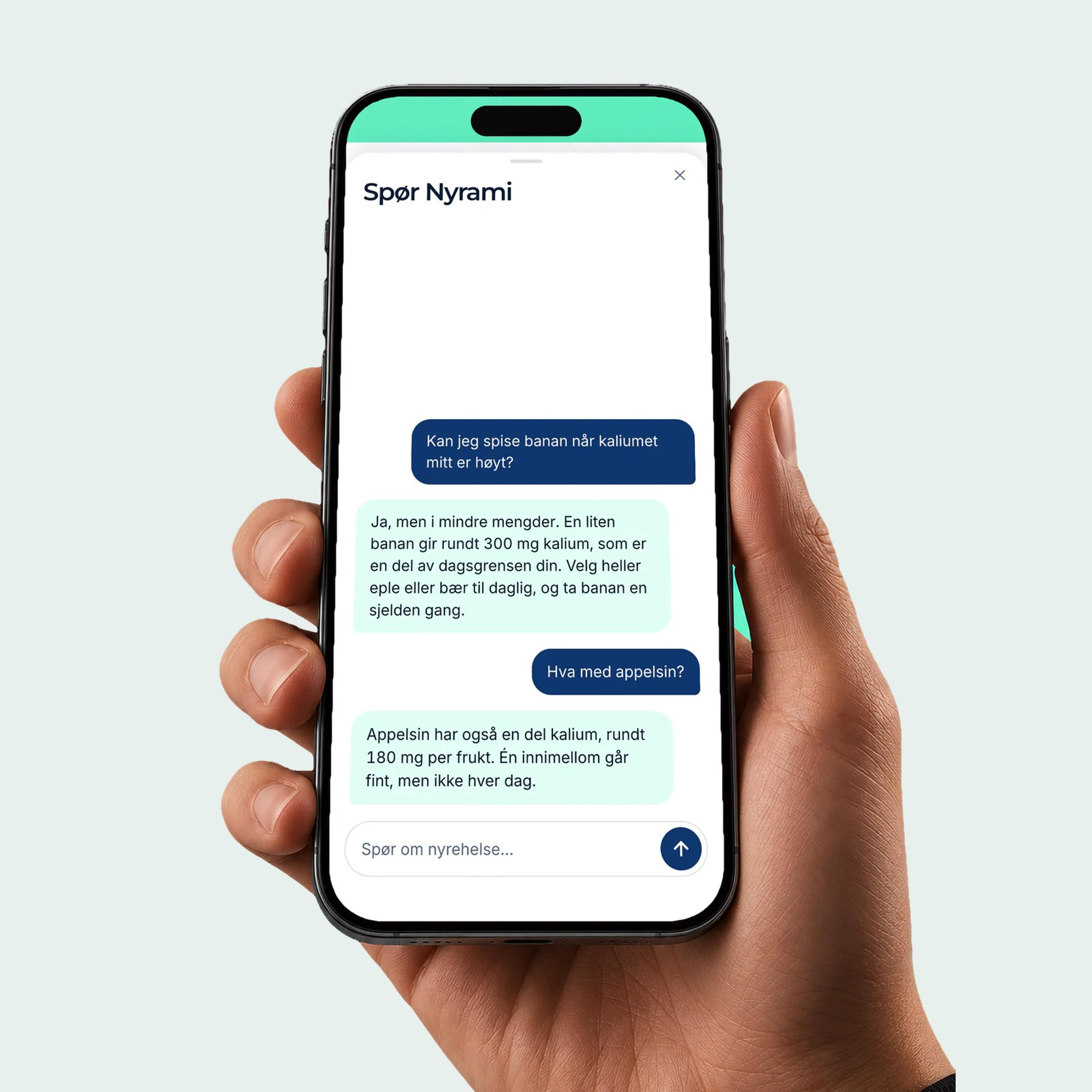
In the Nyrami app you can track your blood pressure and test results over time and bring the numbers to your doctor. The app also has a food scanner with salt, potassium and phosphorus assessed for you, and is free for iPhone and Android. The app does not replace your antenatal care.