Skip to content

Our focus

Kidney disease rarely comes alone. It is tied to blood sugar, blood pressure and the heart, and it affects food, mood and the people around you. That is why Nyrami puts the kidneys at the centre and looks at the whole person.

Our mark has two kidneys. The right one is always our green. The left one changes colour with what we are talking about.

Three that belong together

Diabetes and high blood pressure are the most common causes of chronic kidney disease, and kidney disease raises the risk of heart and vascular disease. Look after one, and you protect the others.

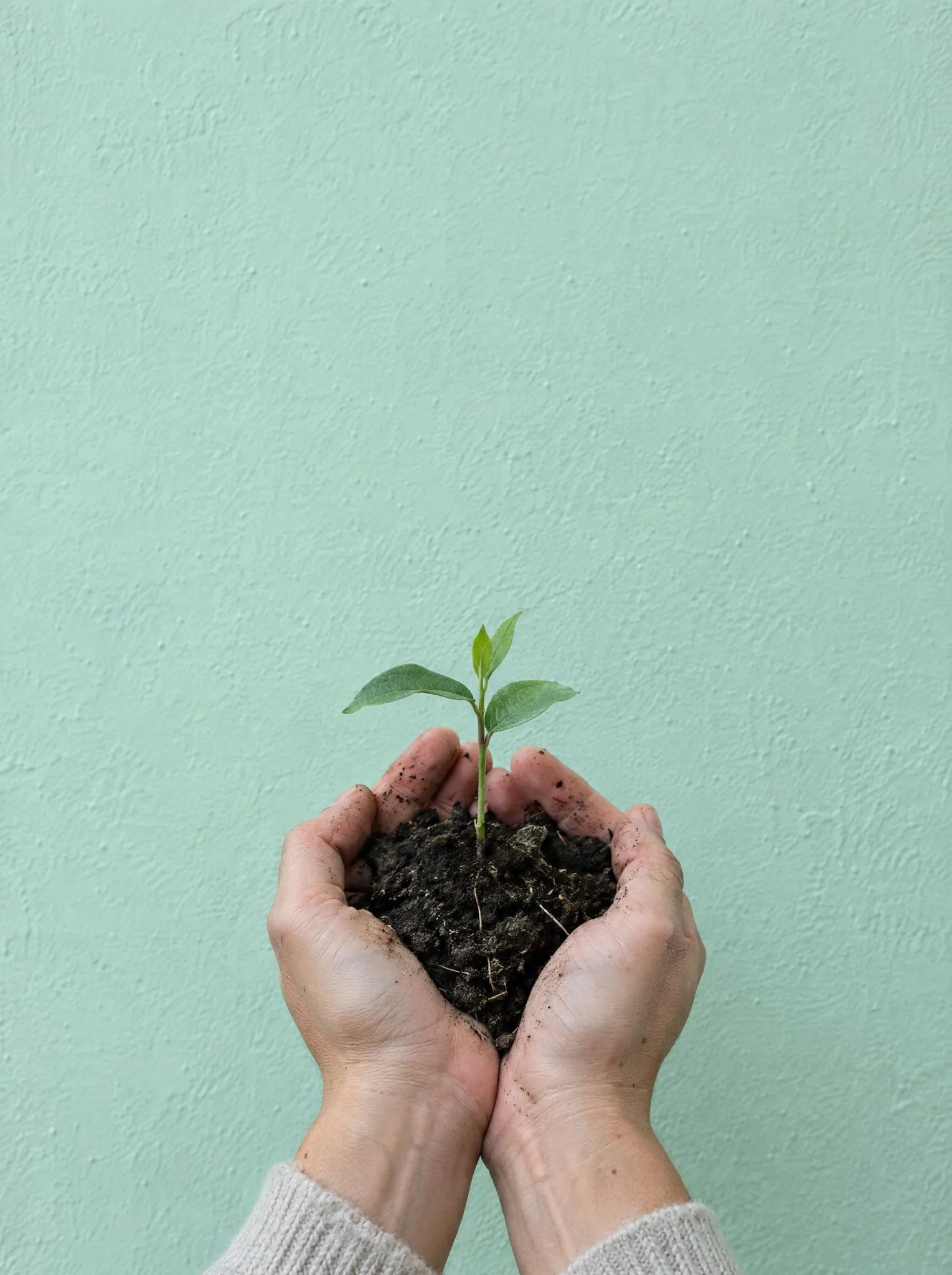
Hands holding soil with a small green sprout

Kidney disease

Chronic kidney disease means the kidneys gradually filter the blood less well. More than 500,000 people in Norway have it, and most do not know, because it rarely causes symptoms before it is advanced. Two simple tests at your GP, eGFR in the blood and albumin in the urine, can find it early.

In the app you follow your test results over time, and food is assessed against the limits for your stage.


A runner on a paved path through the woods, seen from above

Diabetes

Diabetes is the most common cause of kidney failure. High blood sugar over time damages the small blood vessels in the kidneys, often long before anything is felt. Well controlled blood sugar and blood pressure, and a urine test every year, protect the kidneys best.

If you have diabetes, you follow your blood sugar in the app, together with your blood pressure and test results.

Two people sitting close together on a wall, seen from behind

The heart and blood pressure

High blood pressure damages the kidneys, and diseased kidneys raise blood pressure. The heart takes the strain: heart and vascular disease is the most common cause of death in people with kidney disease. Blood pressure is something you can do a lot about yourself.

In the app you follow your blood pressure over time, and see how much salt a food contains before you eat it.

More than the kidneys

A chronic illness is about more than one organ. It affects the body, the mind, the family and the food on the table. Each theme has its own colour in our mark, so you recognise it here and in our posts.

  • Transplant and donation

    A new kidney brings freedom from dialysis, but it needs medicines and follow-up for life. Many receive their kidney from someone in the family. We tell the stories and explain what happens before and after.

  • Women's health

    Pre-eclampsia is linked to a higher risk of kidney disease later in life, and kidney disease affects pregnancy. If you have kidney disease and want to become pregnant, plan it together with your doctor.

  • Mental health

    Living with a chronic illness is hard. Low mood and anxiety are common, especially on dialysis, and they can be treated. Tell your doctor or nurse, and talk to someone you trust.

  • Caregivers

    The people around you carry a lot too: they come along to treatment, cook food that fits and keep spirits up. Caregivers need knowledge and breaks, and they deserve to be seen.

  • Food

    There is no single kidney diet that suits everyone. What to eat less of, and what you need more of, depends on your stage, your treatment and your blood tests. We explain why, not just what.

  • Activity and exercise

    Exercise is safe and useful for most people with kidney disease, also on dialysis. It brings more energy, stronger muscles and better blood pressure. Start where you are, and build up little by little.

  • Rare kidney diseases

    Some kidney diseases are inherited or rare, such as polycystic kidney disease and Alport syndrome. They often need their own follow-up, and the family can benefit from knowing about them.

  • Professionals and research

    What we write is based on Norwegian and international guidelines, and the sources are listed under every article. If you are a health professional and want to give feedback or work with us, we would like to hear from you.

Start with what matters to you

The kidney guide answers your questions, and the app helps you every day.