Kidney failure diet: what to eat and what to avoid
With kidney failure, the most important thing is to eat little salt and little ultra-processed food. Protein, potassium and phosphorus are adjusted to your stage and your blood tests, so the advice is not the same for everyone. Eggs, oats and most fruit can often be part of your diet. A clinical dietitian can make a plan for you.
Many people who learn that their kidneys are not working as they should start to worry about every single bite. It is easy to find long lists of forbidden foods online. Most of them do not fit you. Diet advice for chronic kidney disease (CKD) depends on how far the disease has progressed, which medicines you take and what your blood tests show.
Here you get the main points, answers to the most common questions and links to the guides on potassium, phosphorus, salt and protein. To check a particular food, look it up in our food lookup, which shows potassium, phosphorus, protein and salt in more than 2,100 foods.
What should you not eat with kidney failure?
What most people with kidney disease should limit is salt and ultra-processed food: cured meats, sausages, sliced meats, ready meals, stock cubes, crisps and other salty snacks. These give a lot of salt and often added phosphate and potassium. Which other foods you should limit depends on your blood tests, not on a general list.
The international KDIGO 2024 guideline recommends a varied diet with more plant-based than animal-based food, and less ultra-processed food. It also recommends less than 2 grams of sodium a day, which equals less than 5 grams of salt.
Salt: limit it if you have any kind of kidney disease.
Potassium: limit it only if the potassium in your blood is too high or your doctor asks you to.
Phosphorus: becomes important when kidney function is more reduced, and especially on dialysis. Added phosphate in processed food is the first thing to cut.
Protein: not too much, but not too little either.
Star fruit (carambola): avoid it completely. It contains a toxin that diseased kidneys cannot clear, according to the US National Kidney Foundation.
Also be careful with dietary supplements, herbal products and salt substitutes. Salt substitutes with potassium chloride can cause dangerously high potassium. Talk to your doctor before you take anything new.
What is kidney-friendly food?
Kidney-friendly food is ordinary home-made food with little salt, little ultra-processed food and plenty of vegetables, whole grains and pulses, adjusted to your blood tests. No single food repairs or cleanses the kidneys. What protects them is well-controlled blood pressure and blood sugar, little salt and not smoking. If you wonder about a particular food, such as kiwi, lemon, ginger or garlic, you will find short answers in the guide on what is good for your kidneys.
An example of a kidney-friendly dinner: oven-baked cod or chicken, potatoes and carrots boiled in plenty of water, and a sauce made from scratch with sour cream, lemon and herbs instead of stock. Season with pepper, garlic and fresh herbs, and leave the salt shaker alone. High blood pressure and diabetes are the most common causes of kidney failure in Norway, so the same diet helps with them too. Read more about blood pressure and the kidneys and diabetes and the kidneys.
Are there cookbooks and recipes for people with kidney disease?
Yes. LNT, the Norwegian association for kidney patients and transplant recipients, has a cookbook with recipes adapted to the different stages of kidney disease, free for members. In the Nyrami app you will find 148 recipes with potassium, phosphorus, salt and protein assessed per portion.
Can you eat eggs with kidney failure?
Yes, for most people with kidney disease, eggs can be part of a good diet. A boiled egg of 56 grams gives about 7 grams of protein and little potassium, around 75 mg. An egg gives about 110 mg of phosphorus, mostly in the yolk. That matters most if the phosphate in your blood is high.
If you are told to eat a low-phosphate diet, which is most common on dialysis, the number of eggs may be limited. The electrolyte guide in the Norwegian clinical handbook Metodebok mentions up to two eggs a week on a low-phosphate diet. Without such advice, there is no reason to cut out eggs.
Can you eat oats with kidney failure?
Oats can easily be part of a kidney-friendly diet for most people. One decilitre of rolled oats (40 grams) gives around 165 mg of potassium and 175 mg of phosphorus. The phosphorus in grains is bound in a form the gut absorbs less well than phosphorus from meat, milk and additives.
If you have been told to limit both potassium and phosphate, a clinical dietitian can help you find a suitable portion. Porridge made with water gives less potassium and phosphorus per portion than porridge made with milk.
Which fruit can you eat with kidney failure?
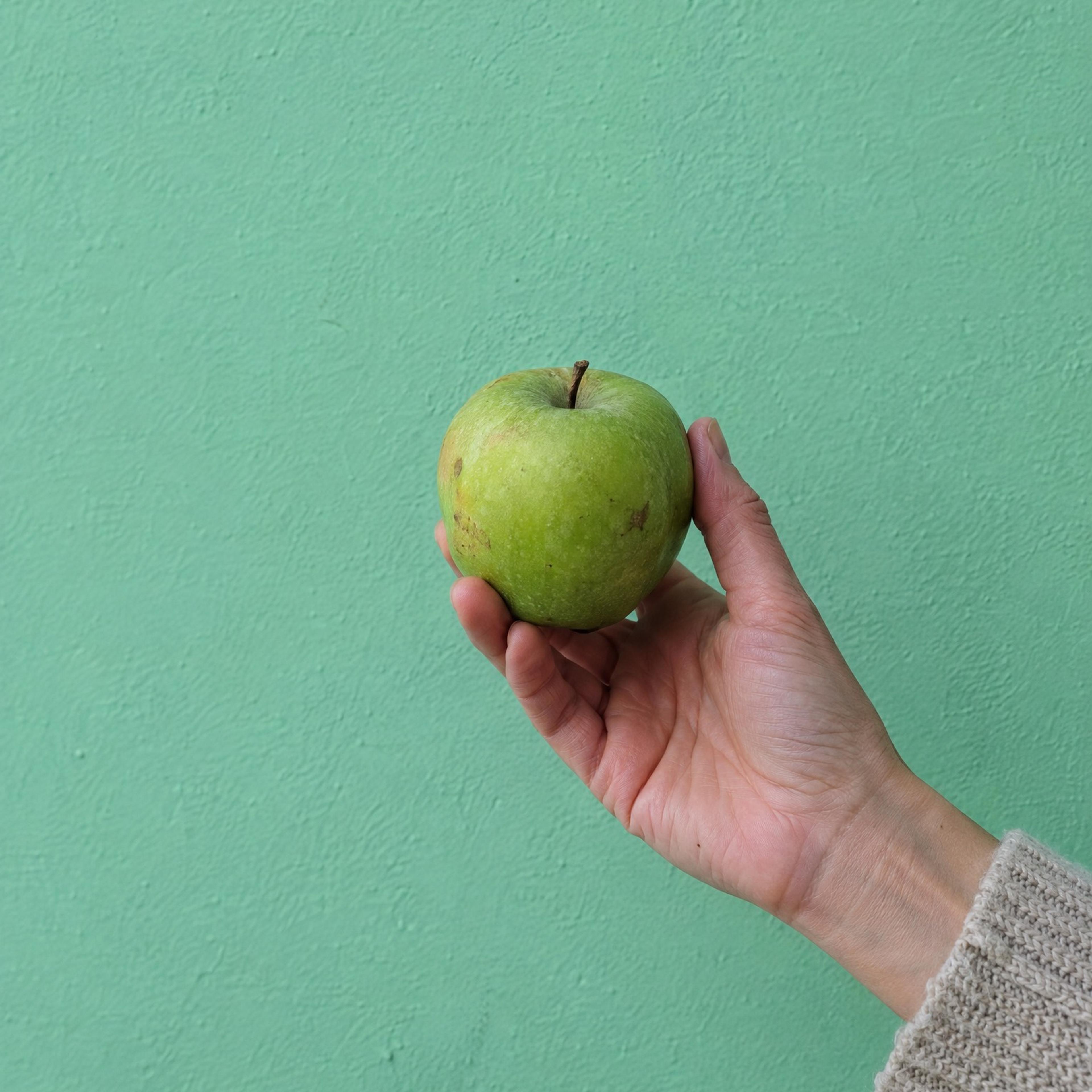
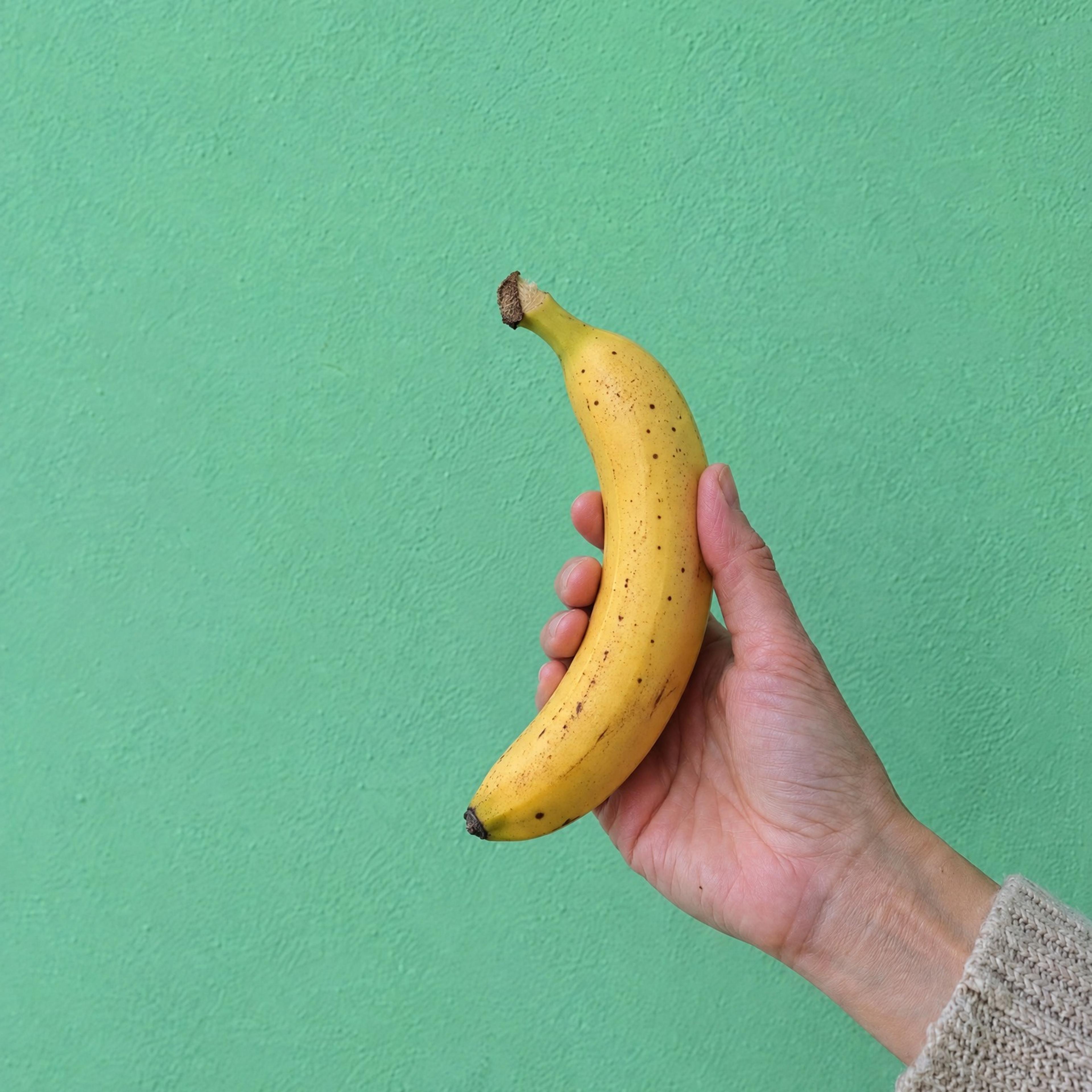
All fruit can fit when your potassium is normal. If you need to limit potassium, apple, blueberries, lingonberries, pineapple and watermelon are good choices, because they have less than 150 mg of potassium per 100 grams. Pear, strawberries and kiwi are in the middle. Banana, avocado and dried fruit have the most and should be limited if your doctor has asked you to eat a low-potassium diet.
Potassium in fruit, mg per 100 grams
Apple
Potassium (mg)
82
Level
Low
Watermelon
Potassium (mg)
100
Level
Low
Lingonberries
Potassium (mg)
118
Level
Low
Blueberries
Potassium (mg)
122
Level
Low
Pineapple
Potassium (mg)
123
Level
Low
Pear, Norwegian
Potassium (mg)
164
Level
Medium
Pear, as usually sold
Potassium (mg)
207
Level
Medium
Kiwi
Potassium (mg)
295
Level
Medium
Banana
Potassium (mg)
348
Level
High
Avocado
Potassium (mg)
583
Level
High
Raisins
Potassium (mg)
907
Level
High
Apricots, dried
Potassium (mg)
1300
Level
High
Potassium in fruit, mg per 100 grams
Fruit
Potassium (mg)
Level
Apple
82
Low
Watermelon
100
Low
Lingonberries
118
Low
Blueberries
122
Low
Pineapple
123
Low
Pear, Norwegian
164
Medium
Pear, as usually sold
207
Medium
Kiwi
295
Medium
Banana
348
High
Avocado
583
High
Raisins
907
High
Apricots, dried
1300
High
Source: Matvaretabellen 2026 (the Norwegian food composition table). Apple and «pear, as usually sold» are the table's unspecified varieties. Levels as in Metodebok: under 150 mg per 100 grams is low, 150 to 300 mg is medium, over 300 mg is high.
A medium apple gives around 100 mg of potassium, a pear 240 to 300 mg and a banana around 420 mg. Juice is a separate matter: a glass of orange juice gives over 300 mg of potassium, and KDIGO points out that potassium from juice is absorbed more easily than potassium from whole fruit. You can see the numbers per portion for banana, kiwi and other fruit in the food lookup.
Can you drink milk with kidney failure?
Milk and dairy products give good protein and calcium, but also both potassium and easily absorbed phosphorus. A glass of semi-skimmed milk gives around 350 mg of potassium and 225 mg of phosphorus. With normal kidney function and normal blood tests, milk is fine. With high phosphate or potassium, the amount is often limited, typically to a small glass or one pot of yoghurt a day. What else you can drink is covered in the guides on fluid and alcohol.
How does the diet change with the stage?
The diet advice becomes stricter and more personal the lower your kidney function is. In the early stages it is mostly about salt and a healthy diet. From stage 3 onwards, potassium and phosphate are followed more closely. On dialysis you need more protein than before, while potassium, phosphate and fluid often need to be limited.
What the diet advice is often about
Situation
Typical advice
Stages 1 and 2
Little salt, a varied diet with plenty of plant-based food, little ultra-processed food.
Stages 3 to 5 without dialysis
Little salt. Protein around 0.8 g per kg of body weight. Potassium and phosphate are limited if your blood tests show a need.
Haemodialysis
More protein, often 1.0 to 1.2 g per kg. Potassium, phosphate, salt and fluid are often limited.
Peritoneal dialysis
Plenty of protein, at least 1.2 g per kg according to LNT, the Norwegian kidney patient association. Potassium is less often a problem.
Sources: KDIGO 2024, KDOQI 2020 and LNT. The protein target of 0.8 g is from KDIGO; some people get a lower target agreed with a clinical dietitian. Your care team may give different advice based on your blood tests.
A poor appetite is common when kidney function gets low, and then getting enough energy and protein matters more than following every restriction. Eat small meals often instead of a few large ones, and choose food you feel like eating. A little extra fat, such as oil, butter or sour cream, gives more energy in every mouthful. There are also nutrition drinks and protein powders suitable for kidney disease; ask your dietitian or the kidney department. If you lose weight without trying, tell your doctor.
How do you cook for someone in the family with kidney failure?
Make the same food for everyone, and let those who want it add salt on their own plate. Less salt is healthy for the whole family. If the person who is ill has to limit potassium, you can boil potatoes and vegetables in plenty of water for everyone and pour the water away. Keep low-potassium fruit within easy reach, such as apples, blueberries and pineapple. Go along to the dietitian if you can, so you both get the same advice. You will find more about how to support someone in the guide for family and carers.
Who can help you with your diet?
A clinical dietitian is the right professional for diet advice with kidney disease. KDIGO recommends that advice on salt, phosphorus, potassium and protein is given by nutrition professionals and adapted to you. The Norwegian Directorate of Health (Helsedirektoratet) says a low-protein diet should be followed up by nutrition professionals, preferably a clinical dietitian. Ask your GP (fastlege) or kidney specialist for a referral. Many kidney departments have their own dietitian.
Bring your latest blood tests, a list of the medicines you take and, if you can, a few days of notes on what you eat. Then the advice can be specific to you.
When should you contact a doctor?
If you lose weight without trying, or have had a poor appetite for a long time.
If your legs or the area around your eyes swell up, or you gain weight quickly.
If you have been told your potassium is high and you feel muscle weakness or an irregular heartbeat. With chest pain or fainting: call 113, the Norwegian emergency number. Out-of-hours doctor (legevakt): 116 117.
How Nyrami can help
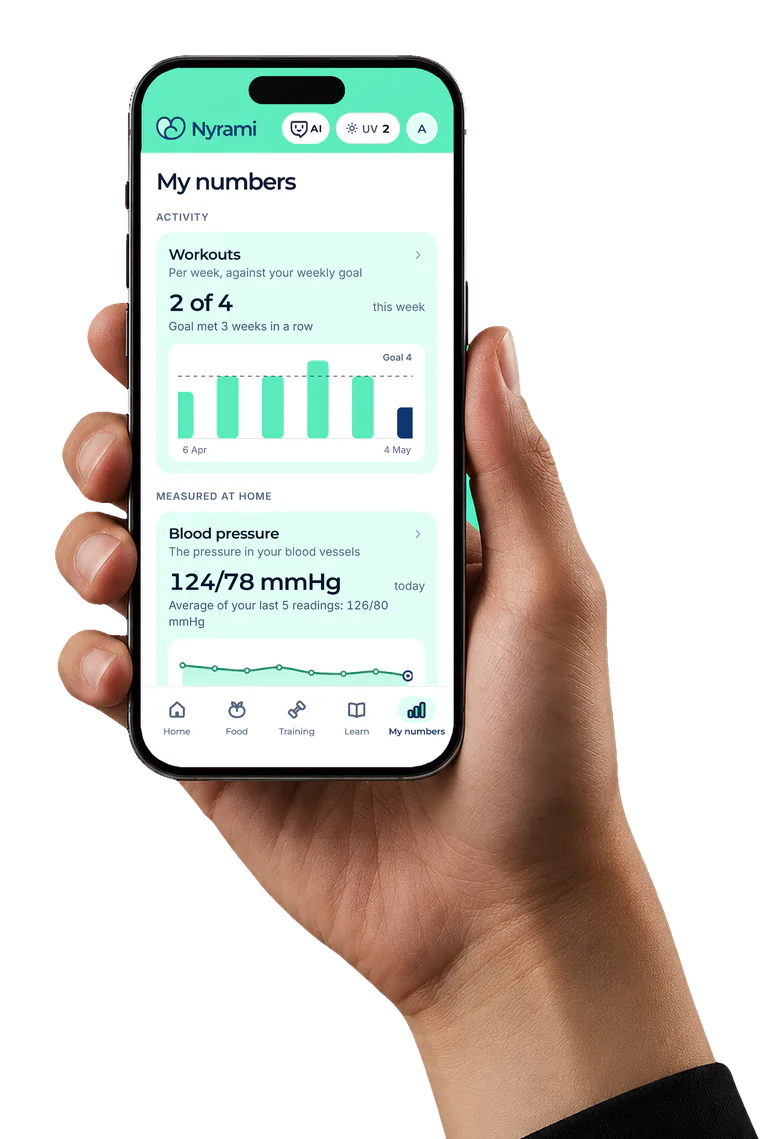
In the Nyrami app you can scan the barcode on a food product and get potassium, phosphorus, sodium and protein assessed for you. The app also has 148 recipes assessed per portion, and it explains your values in words. The app is free for iPhone and Android.
Turns the advice into something you can use in the shop and the kitchen: scan food and see potassium, phosphorus and salt assessed for you, and follow your numbers over time. Free on iPhone and Android.