What is good for your kidneys? Food and drink from A to Z
What is good for your kidneys is the same as what is good for your heart: little salt, plenty of vegetables, fruit and wholegrains, water when you are thirsty, activity and no smoking. No food cleanses or repairs the kidneys. If you have kidney disease, the advice on potassium, phosphorus and protein may be different.
If you are wondering whether one particular food is good for your kidneys, the answer for healthy people is almost always the same: yes, in normal amounts. If you have kidney disease, the answer may be different, because diseased kidneys cannot always get rid of potassium and phosphorus. Here you get the general picture first, then a short answer for 22 foods people often ask about.
What is good for your kidneys?
The best diet for your kidneys has plenty of vegetables, fruit, berries, pulses and wholegrains, fish, little salt and little ultra processed food, with water as your everyday drink. What happens outside the kitchen matters just as much: keeping your blood pressure and blood sugar down, staying active, keeping a healthy weight and not smoking.
The reason is that high blood pressure and diabetes are the most common causes of severe kidney failure in Norway. What protects your blood vessels also protects your kidneys. No single food does the job on its own.
Is the advice different if you have kidney disease?
Yes. For healthy people, potassium rich foods such as bananas, potatoes and spinach are healthy, and healthy kidneys get rid of what the body does not need. With reduced kidney function, potassium and phosphorus can build up in the blood, and your doctor may ask you to limit them. Protein should not be higher than your body needs either. This does not apply to everyone with kidney disease: it depends on your stage and your blood tests.
Different advice for healthy people and for kidney disease
Salt
Healthy or at risk
At most 5.75 grams a day
With chronic kidney disease
Less than 5 grams a day
Potassium
Healthy or at risk
No limit, potassium rich food is healthy
With chronic kidney disease
Limit only if the potassium in your blood is too high
Phosphorus
Healthy or at risk
No limit
With chronic kidney disease
Cut added phosphate first, limit more with low kidney function and on dialysis
Protein
Healthy or at risk
Normal diet
With chronic kidney disease
Around 0.8 grams per kilo of body weight, not over 1.3; more on dialysis
Water
Healthy or at risk
Drink when you are thirsty
With chronic kidney disease
Follow any fluid limit from your doctor
Different advice for healthy people and for kidney disease
Topic
Healthy or at risk
With chronic kidney disease
Salt
At most 5.75 grams a day
Less than 5 grams a day
Potassium
No limit, potassium rich food is healthy
Limit only if the potassium in your blood is too high
Phosphorus
No limit
Cut added phosphate first, limit more with low kidney function and on dialysis
Protein
Normal diet
Around 0.8 grams per kilo of body weight, not over 1.3; more on dialysis
Water
Drink when you are thirsty
Follow any fluid limit from your doctor
Sources: Norwegian dietary guidelines (Helsedirektoratet) and KDIGO 2024. Your doctor or dietitian may give different advice based on your blood tests.
Whether your potassium is too high is shown on your blood test result. The reference range varies: typically 3.5 to 4.6 mmol/l at hospitals and 3.6 to 5.0 at some private laboratories, so look at the range on your own result. Read more in Food with kidney failure and Potassium in food.
Which foods are bad for your kidneys?
The foods that are not good for your kidneys are mainly very salty and ultra processed foods: cured meats, sausages, ready meals, stock cubes, crisps and other salty snacks. Salt raises blood pressure, and processed food often has added phosphate. A lot of sugar and fizzy drinks lead to weight gain and raise the risk of diabetes, which in turn can damage the kidneys.
The Norwegian Directorate of Health (Helsedirektoratet) recommends limiting red meat to 350 grams a week and eating as little processed meat as possible. If you have kidney disease, avoid star fruit (carambola) completely: it contains a toxin that diseased kidneys cannot get rid of, according to the National Kidney Foundation. Read more in Salt and the kidneys.
What is the best drink for your kidneys?
Water is the best drink for your kidneys, and Helsedirektoratet recommends water to quench your thirst. According to the European Food Safety Authority (EFSA), women need around 2 litres and men around 2.5 litres of fluid a day, and about four fifths comes from drinks, the rest from food. If you drink steadily, are rarely thirsty and have light yellow urine, you are drinking enough.
Drinking more water than your thirst asks for does not protect your kidneys. In a Canadian study, 631 people with stage 3 kidney disease were advised either to drink more or to drink as before. After one year there was no difference in kidney function. If you have had kidney stones, the advice is different: drink enough to pass at least 2 litres of urine a day, according to NHI. If you have kidney failure or are on dialysis, you may have a fluid limit. See Fluid balance in kidney disease.
Coffee: For most people, coffee in normal amounts is not harmful to the kidneys. A review of twelve studies with more than 500,000 participants found that people who drank coffee had a slightly lower risk of developing chronic kidney disease (Kanbay et al., 2021). That is an association, not proof. If you need to limit potassium, every cup counts.
Alcohol: Alcohol does not protect the kidneys. Regular drinking raises blood pressure, and Helsedirektoratet recommends as little as possible. See Alcohol and the kidneys.
Fizzy drinks and energy drinks: Sugary soft drinks and energy drinks contain a lot of sugar, and energy drinks also contain a lot of caffeine. There is no good evidence that an occasional energy drink harms healthy kidneys, but a lot of caffeine in a short time can affect the heart, according to the Norwegian Food Safety Authority (Mattilsynet), and a lot of sugar over time raises the risk of overweight and diabetes. Water, tea and coffee are better choices.
Are protein powder and creatine bad for your kidneys?
Protein powder is just protein, and most people get enough protein from ordinary food. If you have kidney disease, the international KDIGO guideline recommends avoiding a high protein intake, over 1.3 grams per kilo of body weight a day. Talk to your doctor before taking protein supplements. Read more in Protein in kidney disease.
Creatine is a popular supplement for training. It raises creatinine in the blood slightly, but in studies it did not change measured kidney function (Naeini et al., 2025). The problem is that eGFR is calculated from creatinine, so your test result can look worse than your kidneys really are. KDIGO also mentions rare cases of kidney inflammation. Tell your doctor before the blood test, and do not take creatine if you have kidney disease without asking your doctor.
Can you cleanse your kidneys?
No, you cannot cleanse your kidneys with teas, juices, cures or supplements, and there is no need to: the kidneys clean the blood themselves, around the clock. There is no evidence that detox products do the job better. On the contrary, KDIGO notes that some herbal remedies can damage the kidneys, and that high doses of vitamin C supplements can cause crystals in the kidneys. NHI advises everyone with kidney disease to talk to their doctor before taking supplements or herbal remedies.
Cranberries are the most common myth. A large Cochrane review from 2023 found that cranberry products probably lead to slightly fewer urinary tract infections in women who get them often, in children and after certain procedures. But cranberries do not protect kidney function and do not cleanse the kidneys. If you take the blood thinner warfarin, ask your doctor first, because cranberries can affect how it works, according to RELIS (the Norwegian medicines information centres).
How can you improve your kidney function?
Lost kidney function rarely comes back, but you can protect what you have. The most important things are keeping your blood pressure and blood sugar well controlled, stopping smoking, staying active and eating little salt. Avoid anti-inflammatory painkillers such as ibuprofen without asking your doctor, see Painkillers and the kidneys.
If you have diabetes, high blood pressure, heart disease or kidney disease in the family, the most important thing you can do is ask your GP for a blood test (eGFR) and a urine test (albumin to creatinine ratio). Kidney disease rarely causes symptoms before function is greatly reduced. Read about how kidney disease is detected and whether kidney failure can get better.
Is it good for your kidneys? Foods from A to Z
Here is a short answer for the foods people ask about most often. The figures are from the Norwegian food composition table (Matvaretabellen). The answers apply to healthy people and most people at risk. If you have been told to limit potassium or phosphorus, it is the total amount over the day that counts. You can find more foods in the food lookup.
Are oranges good for your kidneys?
Yes, for most people. An orange gives around 310 mg of potassium, and a glass of orange juice (200 ml) around 330 mg. If you need to limit potassium, a few segments are enough, and whole fruit is better than juice.
Is asparagus good for your kidneys?
Yes. Five spears of asparagus (80 grams) give around 160 mg of potassium and 40 mg of phosphorus. If you have had kidney stones, your doctor may ask you to eat little oxalate rich food such as asparagus and spinach.
Are bananas good for your kidneys?
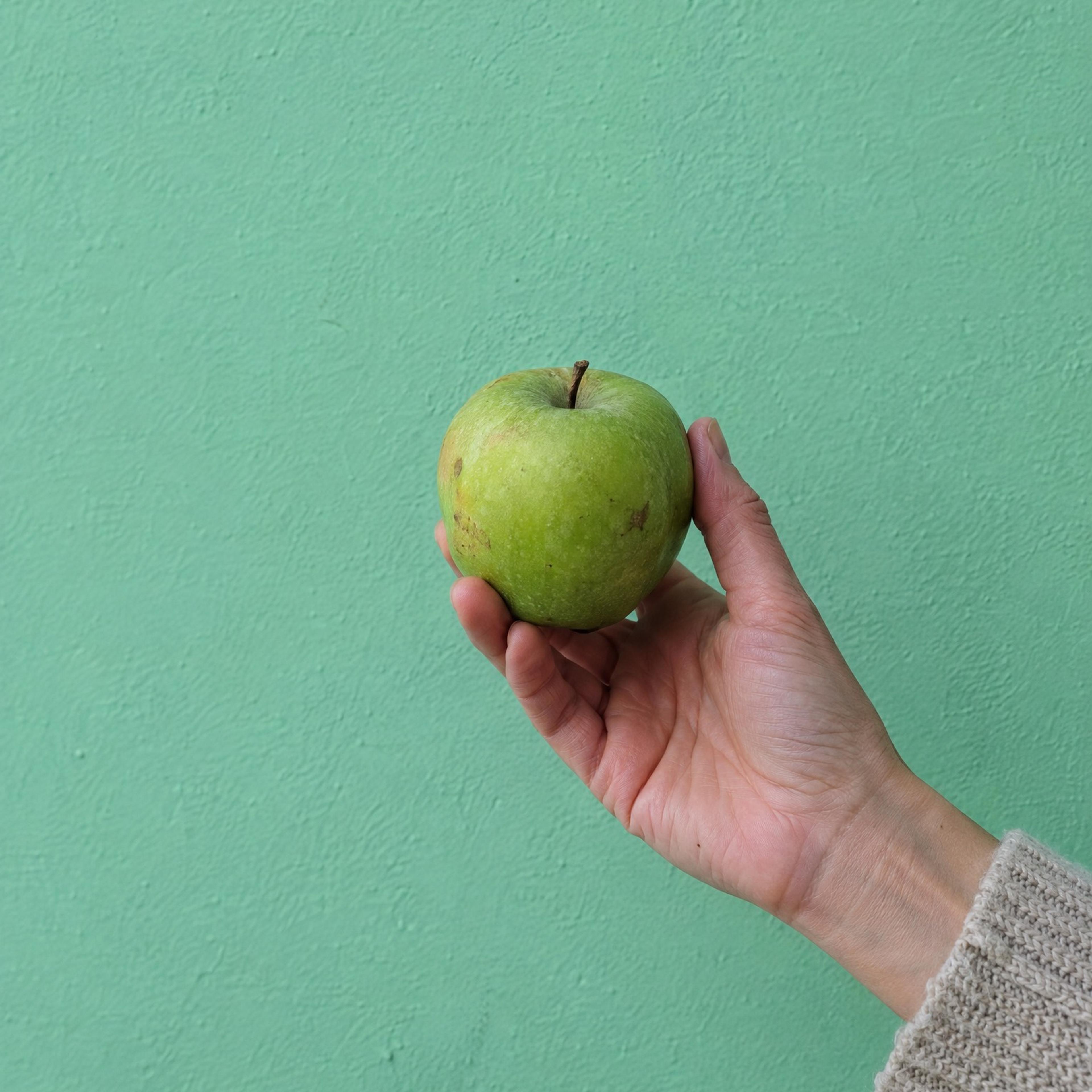
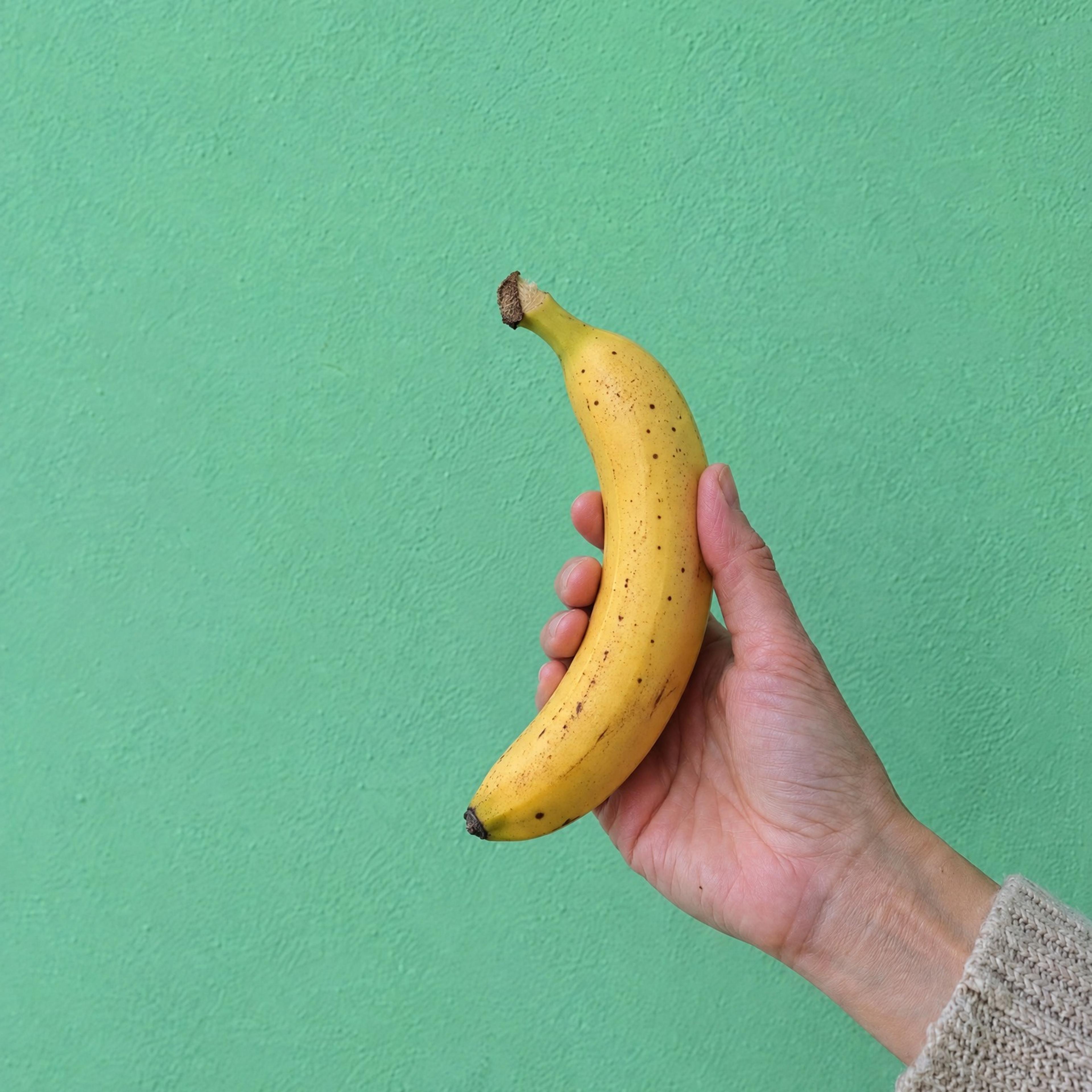
Bananas are healthy, but high in potassium: one banana gives around 420 mg. If your potassium is normal, there is no reason to cut out bananas. If your doctor has asked you to eat a low potassium diet, an apple, with around 100 mg, is a better choice.
Are grapes good for your kidneys?
Yes, in normal amounts. A decilitre of grapes (70 grams) gives around 150 mg of potassium. Raisins are dried grapes and have more than four times as much potassium per 100 grams, 907 compared with 215 mg.
Are eggs good for your kidneys?
Yes. A boiled egg gives 7 grams of protein, around 75 mg of potassium and 110 mg of phosphorus, mostly in the yolk. Only if the phosphate in your blood is high may it be relevant to limit the number of eggs.
Are oats good for your kidneys?
Yes, for most people. A decilitre of oats (40 grams) gives around 165 mg of potassium and 175 mg of phosphorus, but the phosphorus in grains is absorbed less well than phosphorus from meat, milk and additives. Porridge made with water gives less potassium and phosphorus than porridge made with milk.
Is garlic good for your kidneys?
Yes, as a seasoning. A clove of garlic gives only around 20 mg of potassium, and garlic adds flavour when you want to save on salt. Garlic capsules are a different matter: ask your doctor before taking supplements.
Is ginger good for your kidneys?
Ginger in food is fine: a tablespoon of grated ginger gives less than 40 mg of potassium. There is no evidence that ginger or ginger shots protect or cleanse the kidneys.
Are strawberries good for your kidneys?
Yes. 100 grams of strawberries, a small bowl, give around 200 mg of potassium and little phosphorus. Blueberries have even less potassium, 122 mg per 100 grams.
Is coffee good for your kidneys?
For most people coffee is fine in normal amounts, see above. A cup of filter coffee gives around 170 mg of potassium. If you need to limit potassium, the number of cups counts, and milk in your coffee also adds phosphorus.
Is kiwi good for your kidneys?
Yes, kiwi is healthy, but fairly high in potassium: one kiwi gives around 220 mg. With normal potassium it is perfectly fine. If you need to limit potassium, ask your dietitian how much fruit fits into your plan.
Is chicken good for your kidneys?
Yes. Helsedirektoratet recommends white meat such as chicken rather than red meat. A portion of fried chicken breast (150 grams) gives around 44 grams of protein, 520 mg of potassium and 380 mg of phosphorus. If you have kidney disease and are not on dialysis, the portion can well be smaller, because protein should not be higher than your body needs.
Are onions good for your kidneys?
Yes. Onions have 185 mg of potassium per 100 grams and little phosphorus, and add a lot of flavour without salt.
Is milk good for your kidneys?
For healthy people, yes: milk provides protein and calcium. But a glass of semi-skimmed milk (200 ml) gives around 340 mg of potassium and 230 mg of phosphorus, and the phosphorus in milk is easily absorbed. With high phosphate or potassium, milk is often limited to a small glass or a small yoghurt a day.
Are peppers good for your kidneys?
Yes. A red pepper gives around 310 mg of potassium. Green peppers have about half as much, 120 compared with 216 mg per 100 grams, and are a better choice if you need to limit potassium.
Is parsley good for your kidneys?
Parsley as a herb and garnish is fine. A decilitre of chopped parsley gives around 100 mg of potassium. There is no evidence that parsley or parsley tea cleanses the kidneys.
Is lemon good for your kidneys?
Lemon is a nice flavour, also in water, and can make it easier to drink enough and use less salt. A slice of lemon gives around 20 mg of potassium. Lemon water does not cleanse the kidneys and does not improve kidney function.
Is spinach good for your kidneys?
For healthy people spinach is healthy, but it is high in potassium and oxalate. A small bag of spinach (65 grams) gives almost 480 mg of potassium. If you need to limit potassium or have had kidney stones, cucumber or boiled carrots are better choices.
Is tea good for your kidneys?
Yes. A cup of black tea gives only around 65 mg of potassium, and tea is a good alternative to fizzy drinks and juice. If you have a fluid limit, tea counts like any other drink.
Are cranberries good for your kidneys?
Cranberries are healthy, but they do not cleanse or protect the kidneys, see above. A glass of cranberry juice (200 ml) gives around 155 mg of potassium. If you take warfarin, ask your doctor before using cranberry regularly.
Is water good for your kidneys?
Yes, water is the best drink for quenching thirst. Drink when you are thirsty, and look for light yellow urine. More than that does not protect the kidneys, and if you have a fluid limit, it applies.
Is beer good for your kidneys?
No, beer does not protect the kidneys. Half a litre of lager gives around 150 mg of potassium and 45 mg of phosphorus, and alcohol free beer has about twice as much phosphorus as lager. Alcohol raises blood pressure over time.
How Nyrami can help
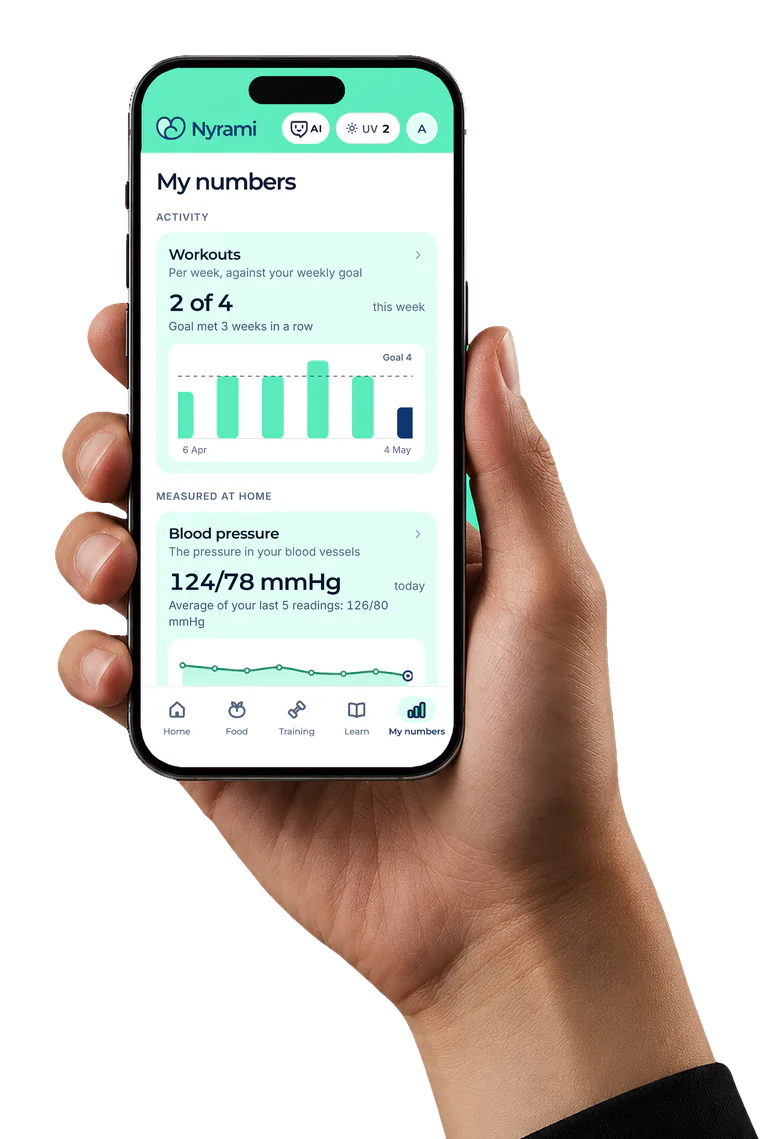
If you are wondering about a particular product in the shop, you can scan the barcode in the Nyrami app and get potassium, phosphorus, sodium and protein assessed for you. The app also has recipes assessed per portion and shows your values explained in words. It is free for iPhone and Android.
Turns the advice into something you can use in the shop and the kitchen: scan food and see potassium, phosphorus and salt assessed for you, and follow your numbers over time. Free on iPhone and Android.