Yes. Most people with one healthy kidney, whether they were born that way, donated a kidney or lost one, live an ordinary life and as long as others. The single kidney takes over much of the work. The key is to check blood pressure, eGFR and albumin in your urine at least once a year.
About one in fifteen hundred people are born with only one working kidney. Others have given a kidney to someone they love, or lost a kidney to cancer, injury or illness. The starting point differs, but the advice is almost the same. Here are the answers, also for you who are the parent, partner or child of someone with one kidney.
Can you live a normal life with one kidney?
Yes, most people can live a completely ordinary life with one healthy kidney. When one kidney is missing, the other grows a little and takes over much of the work. A kidney donor ends up with about three quarters of the kidney function they had with two kidneys. You can work, exercise, travel and eat ordinary food. The difference is that you have less in reserve if the kidney is injured or becomes ill.
How long can you live with one kidney?
Most people with one kidney live as long as others. Norwegian kidney donors live longer on average than the rest of the population, but that is partly because only healthy people are allowed to donate. Compared with equally healthy people with two kidneys, the risk of kidney failure and heart disease is slightly higher over many years, but it is still low. See the figures in Donating a kidney.
How much you need to think about it depends on why you have one kidney. Donors are thoroughly examined and healthy before they donate. If you have lost a kidney to cancer or illness, your general health and the condition of the other kidney matter most, and your doctor can tell you about your own situation.
Born with one kidney: what does it mean?
Being born with only one working kidney is one of the most common inborn differences in the kidneys. Either one kidney is missing, or it has never worked. Today it is often found on an ultrasound scan during pregnancy. Most people notice nothing, and any loss of function later in life is usually small and comes slowly.
The risk is still higher than for donors, probably because the kidney has had fewer filters to share the work from the start. In a large Dutch study of children with one working kidney, three in four had at least one sign of strain on the kidney before they turned 18, such as a little protein in the urine, higher blood pressure or a lower eGFR. Two in five had clearer signs, and being overweight increased the risk. These signs can be monitored and treated, for example with blood pressure medicine, which is why a yearly check-up is recommended for life.
If you are the parent of a child with one kidney: your child can lead an active life and do sport. Make sure blood pressure and urine are checked every year, and that the check-ups continue when your child becomes an adult.
What should you keep an eye on?
With one kidney you should check three things at least once a year: your blood pressure, your kidney function (eGFR) and albumin in your urine. These are the earliest signs that the kidney is under strain, and they can show up long before you notice anything. Your GP (fastlege) can do the tests. Get in touch if your blood pressure is higher than usual on several readings, or if the tests show albumin in your urine.
What to check when you have one kidney
Blood pressure
How
Measured at the surgery or at home
What the doctor looks for
That it stays below the target your doctor has set
eGFR
How
Blood test (creatinine)
What the doctor looks for
That the value stays stable over time
Albumin in the urine
How
Urine test (albumin to creatinine ratio)
What the doctor looks for
Whether the kidney is leaking protein
What to check when you have one kidney
What
How
What the doctor looks for
Blood pressure
Measured at the surgery or at home
That it stays below the target your doctor has set
eGFR
Blood test (creatinine)
That the value stays stable over time
Albumin in the urine
Urine test (albumin to creatinine ratio)
Whether the kidney is leaking protein
Sources: National Kidney Foundation, Groen in 't Woud et al. 2021. Donors are also followed up by a kidney specialist for the rest of their lives.
After donating a kidney it is normal for your eGFR to be lower than before. That is expected; what matters most is that the value stays stable. Read more about the values in eGFR normal range and Protein in the urine, or work out your own with the eGFR calculator.
What you can do yourself for your kidney:
Eat little salt and keep a healthy weight. A lot of salt and being overweight increase the risk of high blood pressure and strain on the kidney. See Salt and the kidneys.
Be careful with anti-inflammatory painkillers such as ibuprofen (Ibux), diclofenac (Voltaren) and naproxen. Paracetamol is usually a safer choice. See Painkillers and the kidneys.
Tell health professionals that you have one kidney, so they can take it into account.
Can you drink alcohol with only one kidney?
Yes, a healthy kidney copes with alcohol in reasonable amounts, and the advice is the same as for everyone: the Norwegian Directorate of Health recommends keeping intake as low as possible. There is no separate limit for people with one kidney. A lot of alcohol in a short time can cause acute kidney injury, and with one kidney you have less to fall back on if that happens. See Alcohol and the kidneys.
Can you exercise and play contact sports with one kidney?
Yes, exercise is good for you with one kidney, and most people can do all kinds of sport. Contact sports used to be discouraged, but kidney injuries in sport are very rare. An American study of school sport found 18 kidney injuries in over 4.4 million training sessions and matches, and none were serious or needed surgery. Dutch paediatric kidney specialists consider the benefits of physical activity greater than the risk.
Advice still varies. Some doctors advise against hard contact sports such as boxing, martial arts and American football, or recommend protective gear. Talk to your doctor about the sport you do. See also Exercise with kidney disease.
Can you get pregnant with one kidney?
Yes, most women with one kidney have normal pregnancies. The risk of high blood pressure and pre-eclampsia is still higher, both for those born with one kidney and for those who have donated a kidney. In a Canadian study of donors, it happened in about one in ten pregnancies, compared with one in twenty among equally healthy women. Tell your midwife and doctor that you have one kidney, so they can follow your blood pressure and urine extra closely.
How long can you live with a transplanted kidney?
Someone who has received a new kidney also lives with one working kidney, but the situation is different: you need anti-rejection medicines for as long as the kidney works, and it does not always last for life. In Norway almost nine in ten transplanted kidneys were still working after ten years, when people who died with a working kidney are left out, and some people have had the same kidney for over 40 years (Norwegian Renal Registry). Read more in Kidney transplant.
Can you live without kidneys?
No, not without treatment. Without kidney function, waste products and water build up in the body, and life comes to an end. But with dialysis or a new kidney, people can live for many years, even without working kidneys of their own. Some people have both kidneys removed, for example because of very large polycystic kidneys, repeated infections or serious blood pressure problems.
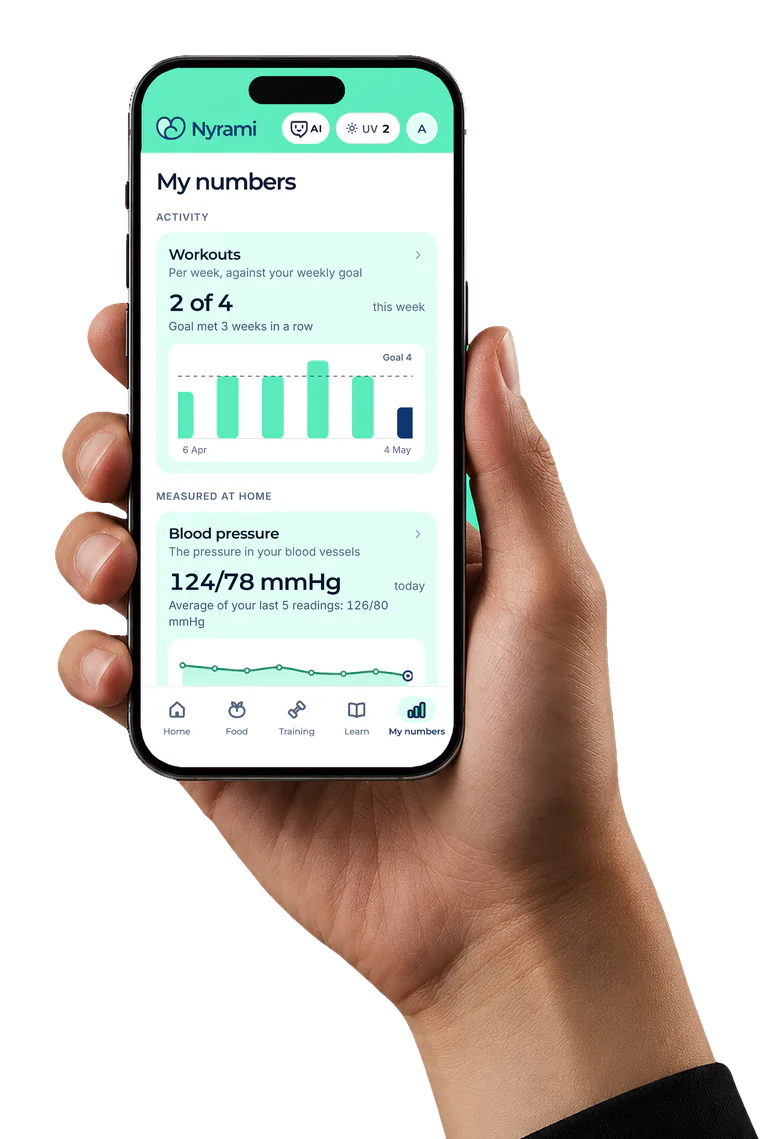
With one kidney, it is mostly about keeping track over time. In the Nyrami app you can enter your values, such as blood pressure, eGFR and albumin in the urine, and see them explained in words and as a trend from year to year. The food scanner assesses salt, among other things, in what you buy. The app is free to download for iPhone and Android.
Turns the advice into something you can use in the shop and the kitchen: scan food and see potassium, phosphorus and salt assessed for you, and follow your numbers over time. Free on iPhone and Android.